Serbian students were welcomed in every city with tears in their eyes, loud applause and fireworks.
After the big rally in Kragujevac, the students also organized a walk to Niš. They set off from several
different cities and walked for five days to their final destination. As a sign of support, several citizens, a
group of marathon runners, as well as a group of cyclists, joined them, and the locals organized a
welcome with loud cheers and torches. Throughout their journey, the students had medical support
provided by medical students, as well as by medical staff from institutions across Serbia who
volunteered to treat their wounds. Watch the reportage from part of the students' journey, and
tomorrow the second part will follow, namely the reportage from the big rally on March 1st.
Albin Kurti’s party, Self-Determination, received the most votes in Kosovo’s regular parliamentary
elections. These are the first regular elections since Kosovo’s independence in 2008. The current prime
minister will have to form a coalition if he wants to retain the prime minister’s office. Analysts we spoke
say that Kurti has two options, either a coalition with the opposition or with minorities. Negotiations are
just beginning. In the campaign, which passed peacefully, the focus of politicians was mainly on ethnic
issues, while the focus of the people, however, is on real social problems such as the economy,
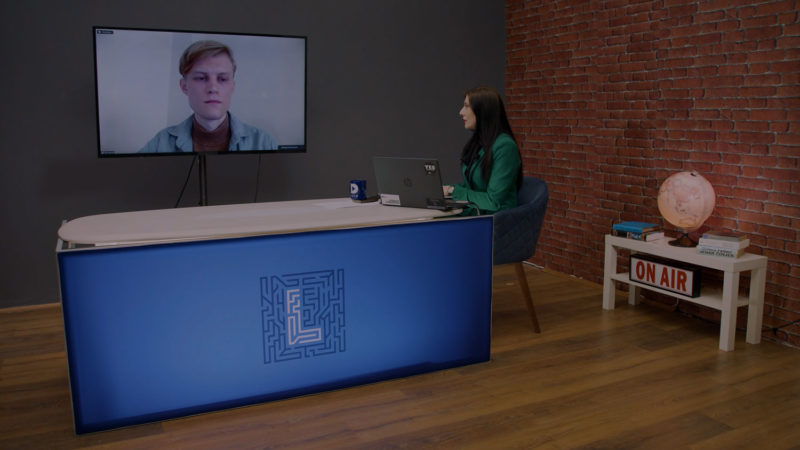
emigration and corruption. We talk to journalist Vjosa Cerkini in Pristina about all these issues, as well as
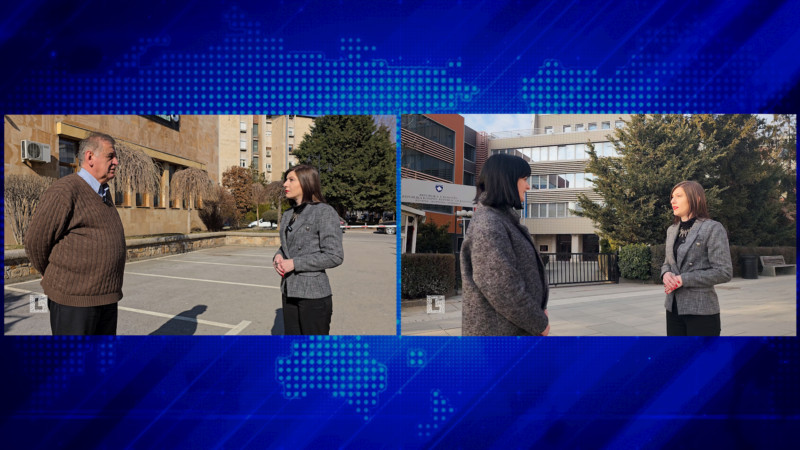
about Kosovo’s international relations under the leadership of Albin Kurti. In Mitrovica, we spoke with
political analyst Nexhmedin Spahiu, and in North Mitrovica, we asked citizens what they think about
these elections.
Interview with the Ambassador of Switzerland, Veronique Hulmann
Macedonian-Swiss friendship has lasted for more than 30 years, says the Ambassador of Switzerland,
Veronique Hulmann, in a guest appearance at Labyrinth. We discussed the new cooperation program
launched by the Embassy of Switzerland, as well as the experience with Macedonian institutions so far.
We discussed the three areas in which Switzerland helps North Macedonia, democracy, economic
development and the environment, and we asked the Ambassador what her favorite place for hiking in
the country is.