A series of interviews about crisis areas and personal experiences of journalists and humanitarians -
Sееma Jilani, Michael Bociurkiw, Adelin Pertisor and Giorgi Dolidze in this Labyrinth.
This week, Labyrinth in Tbilisi at one of the biggest journalism events - the ZEG Festival. We had the
opportunity to talk to journalists from all over the world about the current situation in their countries.
We present you a series of interviews about the countries that are currently in the global focus.
We spoke with one of the keynote speakers at the event, a doctor who has dedicated her life to treating
children in the most vulnerable places in the world, Seema Jilani. We talked about the great
humanitarian catastrophe unfolding before our eyes, the Gaza Strip, and how we can help people cut off
from all help. Seema also shared her personal experience of what it feels like to treat her own child
injured in an explosion in Beirut.
The war in Ukraine is still raging, and since the coming to power of US President Donald Trump, Russian
attacks on the Ukrainian capital seem to have increased. Meanwhile, in the Middle East, Israel and Iran
are fiercely attacking each other. We talk about the situation in Ukraine and the current hot spots in the
Middle East with Atlantic Council analyst Michael Bociurkiw, who regularly analyzes for CNN and other
global media.
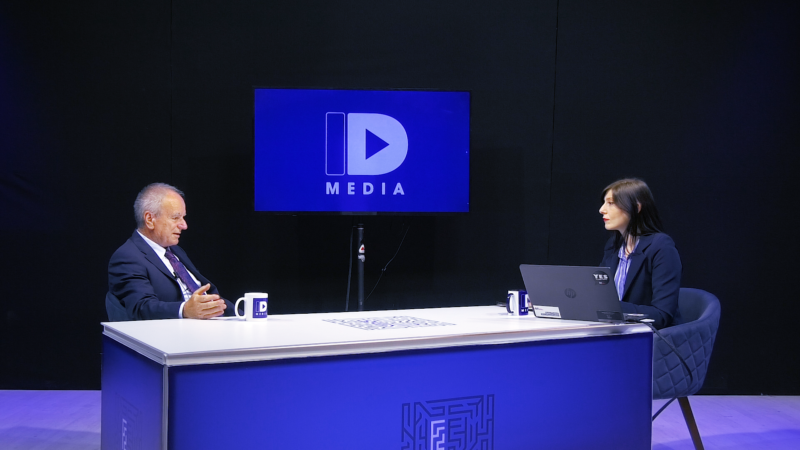
At the event, we also had the opportunity to talk with our colleague Adelin Pertisor from the Romanian
public service, who is one of the most experienced war reporters. He reported on wars in the Middle
East, Africa, as well as the Balkan conflicts and had the opportunity to interview a large number of
leaders, but also some notorious militants such as Željko Ražnjatović - Arkan. Of course, we also talked
about the situation in Romania after the annulled elections when the Constitutional Court recognized
Russian influence in the electoral process.
Since Georgia got a new pro-Russian President who imposed a series of undemocratic laws, Georgians
have been protesting every day. Media freedom and civil society are under attack, and journalists and
citizens are facing prison sentences. We talk to Georgian colleague Giorgi Dolidze about what is
happening in his country.
Fires ravaged the center of the film industry, Los Angeles. Danger still exists.
On the political front, the Senate hearings of President-elect Donald Trump's nominees are underway.
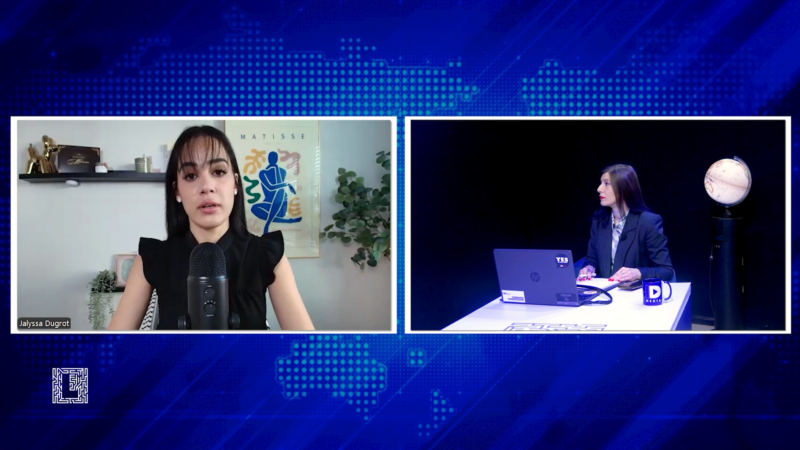
We are talking about the situation in the USA with journalist Jalisa Dugro. Watch the full conversation.
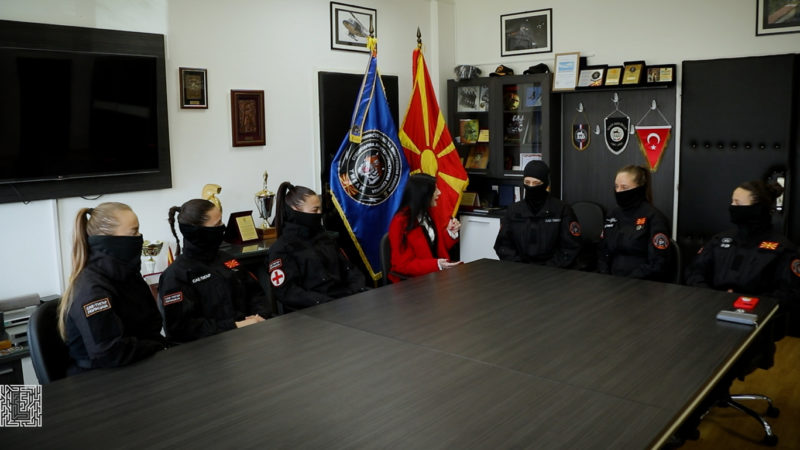
We visited the Ilinden barracks where we spoke with members of the Tiger Special Anti-Terrorist Unit. These women are breaking the barriers that the security sector is a man's job.