Analysis of Macedonian diplomacy, Callings from Georgia and Ukraine on the situation with
the protests and the war.
The first guest in this edition of Labyrinth is the former Ambassador of Macedonia to Sweden and
Romania, Tihomir Ilievski. We talked about the oath taken by the new President and the reactions it
caused among our neighbors. Despite the reactions and difficulties in bilateral relations, the diplomat is
still optimistic about the European integration of Macedonia, as well as about the normalization of
relations in the entire Balkans.
In Georgia, massive civil protests are taking place over the law on "foreign agents" which moves the
country away from the European path, but also seriously threatens the livelihood and freedom of
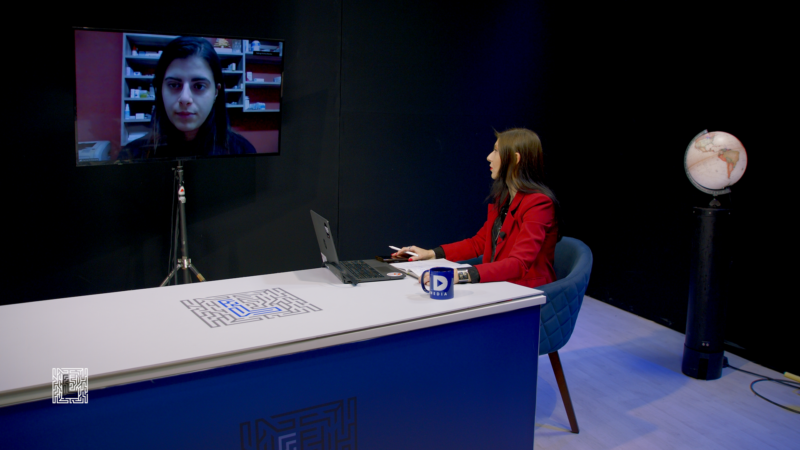
Georgian citizens. From Tbilisi, we were joined by Ekaterine Basilaia - director of the Center for Media and Social Research of Georgia, who explained in more detail what this law is and why so many people
took to the streets. We discussed the use of excessive force by the police in arresting peaceful
protesters and the legal fight to protect those detained.
In Labyrinth, we also included the volunteer in the Ukrainian Territorial Defense Forces, Volodymyr
Sapekhin. Volodymyr has been going to the fronts and back for more than two years. We talked about
the current situation on the fronts, about the progress of Russian forces in the Kharkiv region, but also
about his personal feelings about the two realities he lives in.
Interview with the Italian journalist and writer, Cristina Brondoni
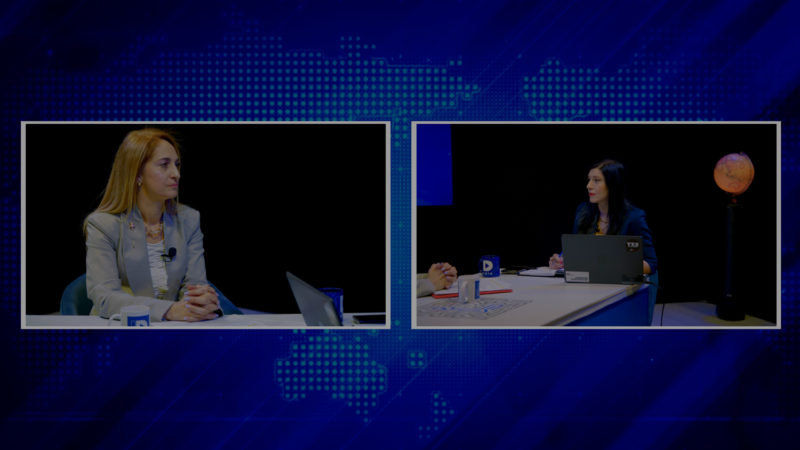
The guest in this edition of Labyrinth is the journalist and writer from Italy, Cristina Brondoni. We
discussed the policy of the Italian Government towards the EU enlargement policy, the support of
Ukraine, as well as the interest of the Italians in the upcoming elections of the Union. Brondoni says that
the Government of Meloni has maintained the policy of support for Ukraine and support for the
enlargement of the Union, especially for the entry of Albania, given the friendly relations of Prime
Minister Meloni with Prime Minister Rama. As for the upcoming European elections, Brondoni says that
the political parties in Italy are more interested in them than the people who think that domestic
problems are more important. We also talked about the media in Italy, the strike of public service
journalists for censorship by Meloni's Government, as well as its structure.
An interview with award-winning humanitarian from Beirut, Marina El Khawand
The war in the Middle East is heating up. After the attacks carried out by Iran on Israel, Israel began a
heavy bombing of its Hezbollah proxy in Lebanon and continued heavy attacks on the Gaza Strip. In this
Labyrinth, we talk to award-winning humanitarian and fighter for equal and free access to medical care,
Marina El Khawand.
We discussed the current situation in Lebanon with refugees and people receiving evacuation orders in
the middle of the night, the basic needs of water, food and medicine, as well as the role Hezbollah plays
in Lebanese society.
In the first March edition of Labyrinth, we talk about women in the private security sector with the Secretary General of the Chamber of Private Security, Sanja Kermetchieva. Similar to the state, in the private security sector only 10% of the employees are women. As long as we talk about quotas, as long as we count how many women are in certain positions, regardless of whether it is in the highest state positions, whether it is a position of women managers, whether they are in rectors, in dean's
administrations and so on, in any which position or in specific jobs in security, how many women are police officers, how many in private security, how many are soldiers... Until then and while we are talking about this and while there is a need for special conventions, special laws and policies in companies, we are facing with gender inequality.